
Essential tremor
Action tremor of the hands
Essential tremor research looks for medicines made for the shake itself.
People with essential tremor often notice it first when a signature gets harder to write or a cup rattles on its saucer, and some wait years before mentioning it. Here you can read about tablets designed for tremor, the spiral and pouring tasks used to gauge it, and what taking a study capsule each day looks like.
Treated today with daily tablets first made for other uses, or none
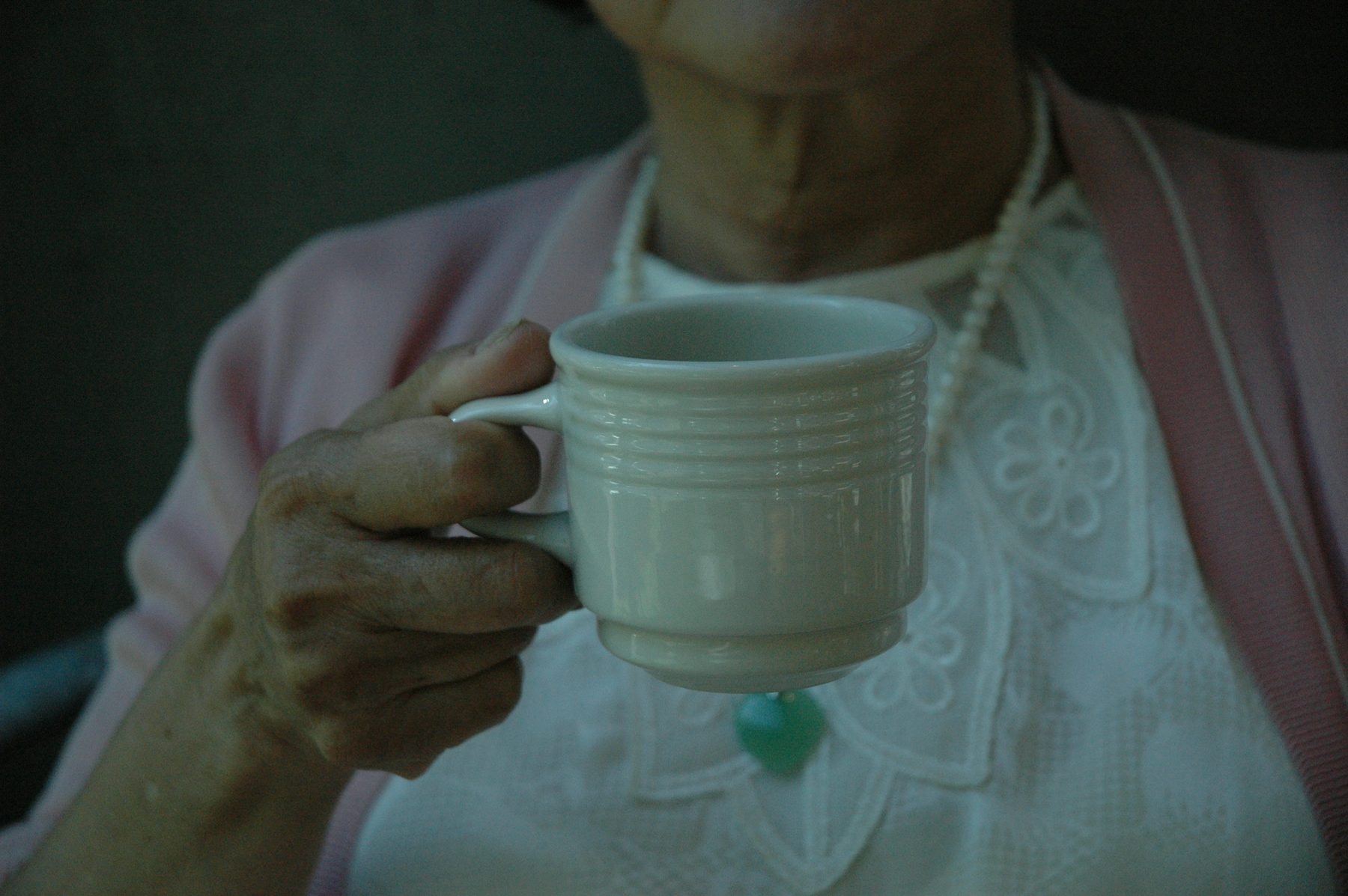
Essential tremor is a shake that comes on when you use your hands: writing, buttoning a shirt, lifting a spoon or a glass. It can also affect the head, the voice or the legs. At rest the hands are usually still, which sets it apart from the resting tremor of Parkinson’s disease. It often runs in families and tends to grow slowly over the years. Stress, tiredness and caffeine can make it worse.
Some people manage with small changes, such as heavier cups, a weighted pen and two hands on a glass, and take no medicine at all. Others take a daily tablet that was first made for blood pressure, a racing heart or seizures and later found to quiet tremor. Doses often start low and rise slowly over weeks. For many, the shake eases only partly, and some feel tired or dizzy on the tablets.
What medicine research on essential tremor is after
Most medicines used for essential tremor were first made for something else, and they help some people only partly or not at all. Research is trying to understand which brain signals drive the shake and to design medicines that calm them directly. Studies also ask whether a medicine can work steadily through the day without the drowsiness that makes some people give up on their tablets.
Kinds of study medicine
- A medicine aimed at tremor signals New tablets designed to calm the brain rhythms linked to tremor, rather than borrowed from heart or seizure care.
- Slow-release forms Tablets that release medicine through the day, studied for steadier control and fewer dips before the next dose.
- A dose before a task Short-acting doses taken ahead of a meal, a signature or an event, to see whether they quiet the shake for a few hours.
- Two tremor tablets together Lower doses of two medicines already used for tremor taken together, set against a higher dose of one.
- Gentler on alertness Medicines tested for whether they ease the shake without the sleepiness or slowed thinking older tablets can bring.
Tests and measurements along the way
| Check | What it tells the team |
|---|---|
| Spiral drawings | You draw a spiral and straight lines with each hand, and the team compares the wobble from visit to visit. |
| Handwriting and pouring | You write a set sentence and pour water from one cup to another, tasks that show how the shake gets in the way. |
| A tremor rating scale | A trained assessor scores the shake in your hands, head and voice while you hold positions and do small tasks. |
| Questions on eating and dressing | A questionnaire asks how eating, dressing, writing and speaking go, and how the tremor affects you around other people. |

How a study medicine reaches you
Essential tremor studies mostly use a tablet or capsule in a dated pack, given out at the research site to cover the weeks before you return. Many studies raise the dose in steps, so the pack may be laid out week by week. Doses are taken at home, often with a meal, and each one goes in a diary or on the study app. Ask for a pack that opens easily with shaky hands, and bring every one back, used up or not.
The medicines you already take
Note down what you take before you contact an essential tremor study, including tablets for blood pressure, mood, sleep or seizures, inhalers, and anything bought at the counter. Add coffee and energy drinks too, as caffeine can change a tremor. Supplements, creams and eye drops belong on the list as well. Do not drop or alter a tablet to get ready for a study; talk to your own doctor or pharmacist, who can weigh it up with the study team.
Ask the team about the study medicine
- Does the dose go up step by step, and how will I know which tablet to take each week?
- Can I keep taking the tremor tablet I already use?
- Can the study pack come in a form that is easier to open with shaky hands?
- Should I avoid coffee or tea before the hand tests at each visit?
Words you will meet
- Action tremor
- Shaking that appears when a muscle is being used, for example to hold a cup or write, rather than at rest.
- Resting tremor
- Shaking that shows while the hand lies still and often eases when it moves, as seen in Parkinson’s disease.
- Dose titration
- Raising a medicine’s dose in planned steps over weeks, so the body can get used to it.
What people ask about essential tremor
Essential tremor shows up mainly while the hands are busy, such as writing, eating or holding something out in front of you. The tremor of Parkinson’s disease is usually strongest with the hand at rest and often comes with slowness and stiffness. Some people have features of both, which is why a neurologist’s view matters. Study teams confirm the diagnosis at the start, so bring any letters from your own specialist.
Not necessarily. Some studies look for people who take nothing for their tremor, and others want people still shaking on the tablets they use. The study describes the group it wants, and the team decides after talking with you. Keep your current tablets exactly as your doctor set them while you find out more, and take any thought of altering them to your own doctor or pharmacist first.
A spiral is a simple task that shows a tremor clearly on paper. Drawn the same way at each visit, alongside handwriting and pouring water between cups, it lets the team see small changes the eye could miss. Some studies also ask you to wear a small motion sensor on the wrist for a while. None of these tasks hurt, and you can rest between them whenever you need to.
Making that first call or email falls to you. Use the phone number, email or form the study provides, and speak to its team directly. Study Lookout keeps your details to itself, sends no one’s name to any study and has no say in who takes part. The team will explain the study medicine, the hand tests and the visits, and the decision about joining rests with them and with you.