Ankylosing spondylitis
Inflammation of the spine
Ankylosing spondylitis research tests tablets and injections for a stiff, inflamed spine.
Ankylosing spondylitis often starts with years of back pain in early working life that is put down to posture or sport before anyone names it. It also covers the biologic pens, immune tablets and copies under study, the MRI and bending tests a team uses, and how to keep a study pen cold at home.
Treated today with anti-inflammatory tablets, injections, exercise
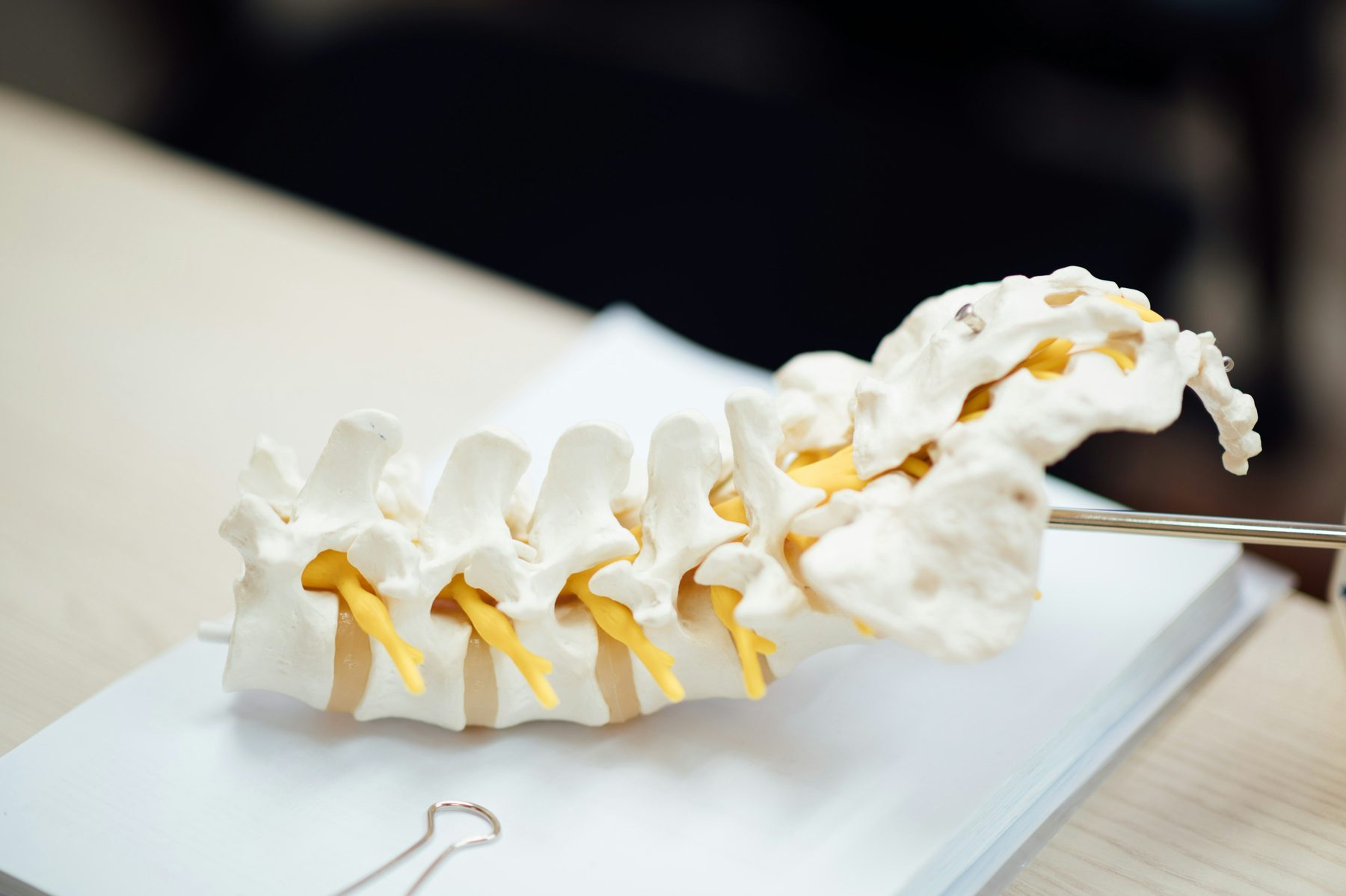
Ankylosing spondylitis, also called axial spondyloarthritis, is inflammation in the joints of the spine and where the spine meets the pelvis. The pain sits deep in the lower back or buttocks, worst after a night’s rest or a long sit and better once you move. It usually begins in your twenties or thirties. Some people also have sore heels, swollen joints, red painful eyes or bowel inflammation, and years of inflammation can make the spine less flexible.
Daily exercise and stretching are part of care for almost everyone, and anti-inflammatory tablets taken with food are often the first medicine. If those fall short, a rheumatologist may suggest an injected biologic medicine; after a TB screen, many people inject it themselves with a pen into the thigh or belly every few weeks. Newer immune tablets taken once or twice a day are another option. Pens usually live in the fridge between doses.
What medicine research on ankylosing spondylitis is after
Anti-inflammatory tablets help many people but can upset the stomach and do not suit everyone over many years. Biologic medicines work well for some, yet others find the effect wears off or never get much relief. Research is trying to find medicines that act on other immune signals, forms given less often or by mouth, and whether treating it early can protect the spine from stiffening over time.
Kinds of study medicine
- A medicine for another immune signal Biologic medicines that block a different messenger, tested in people whose back stays inflamed on the first kind.
- Immune tablets instead of pens Daily immune tablets, compared with injections for how well they ease back pain and stiffness.
- Biosimilar versions Near-identical versions of existing biologic medicines, tested for whether symptoms ease as much and the body handles them alike.
- Longer gaps once symptoms settle Spreading out injections after the back has calmed, to see whether control holds with fewer doses.
- Treating it sooner Starting medicine before changes show on an X-ray, to see whether it slows stiffening of the spine.
Tests and measurements along the way
| Check | What it tells the team |
|---|---|
| MRI of the spine and pelvis | A scan shows inflammation in the bones of the back and the joints at the base of the spine. |
| How far you bend and turn | The team measures how far you can bend forward and sideways and turn your neck, using a tape and simple movements. |
| Inflammation blood markers | Blood tests measure substances that rise with inflammation, along with a TB screen before any biologic medicine. |
| Morning stiffness questions | Questionnaires ask how long stiffness lasts after you wake, how bad night pain is and how daily tasks go. |
How a study medicine reaches you
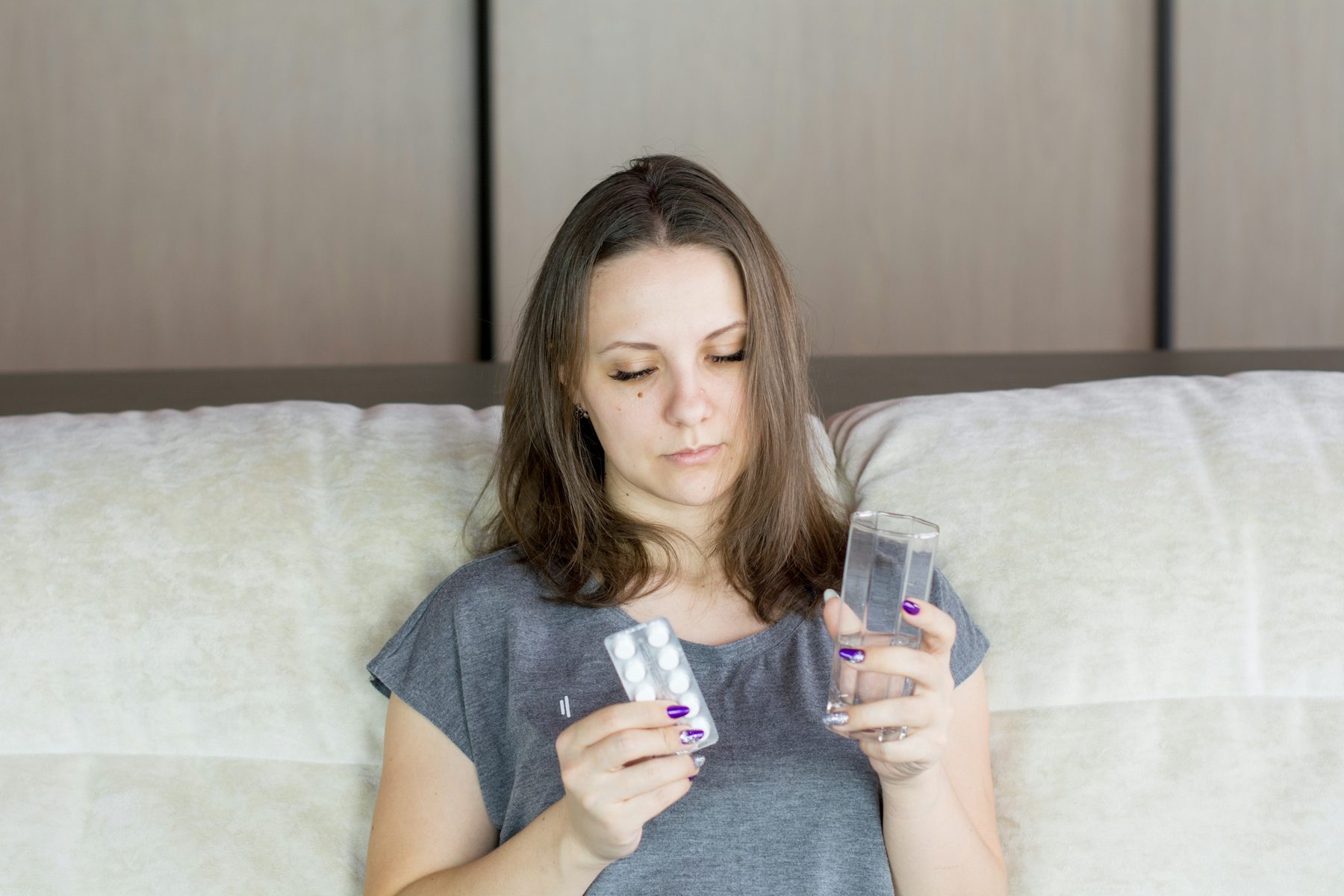
A study medicine for ankylosing spondylitis is often an injection in a prefilled pen or syringe, or a tablet in a dated pack. Your first injection is usually done at the site with a nurse beside you, and later ones at home. Pens are kept in the fridge, never the freezer, and many need to sit out briefly to warm before use. Every injection gets noted on paper or in an app. Used pens go back in the sharps bin, and tablet packs with any left over.
The medicines you already take
Bring a written list to any conversation about an ankylosing spondylitis study: anti-inflammatory tablets and how often you really take them, pain relief bought at a shop, injections, eye drops for flares of eye inflammation, gut medicines and supplements. Include creams and gels you rub on sore joints as well. Keep taking everything as normal. If something might need to change, that call belongs to your own rheumatologist, doctor or pharmacist, working with the study team.
Ask the team about the study medicine
- Is the study medicine a pen I use myself, and where on the body does it go?
- Do my anti-inflammatory tablets carry on as usual while I am in the study?
- How should I store the pens, and what if one is left out of the fridge?
- Will I need an MRI scan, and at which visits?
Words you will meet
- Axial spondyloarthritis
- The wider name for inflammatory arthritis of the spine, which includes ankylosing spondylitis and forms not yet visible on an X-ray.
- Sacroiliac joints
- The joints where the base of the spine meets the pelvis, often the first place inflammation shows.
- Enthesitis
- Inflammation where a tendon or ligament attaches to bone, such as at the back of the heel.
What people ask about ankylosing spondylitis
Inflammatory back pain behaves differently from back pain caused by strain. In ankylosing spondylitis, stiffness builds while you are still, so mornings and long sits are often the hardest, and moving loosens the joints. That pattern is one of the signs doctors look for. Studies record it through questions about morning stiffness and night pain, so describe it plainly when you speak with a team.
Not always. Some studies are for people whose changes show on an X-ray, and others are for axial spondyloarthritis seen only on an MRI or in blood tests. Each study describes the group it is looking at, and the team reviews your scans and history before deciding. Bring any reports and the names of the medicines you have already tried, since many studies ask what has and has not helped.
Most studies expect you to keep the stretching and exercise routine you already follow, because it is part of good care for the spine. The team may ask you to keep it fairly steady, so that changes in pain and stiffness can be put down to the study medicine. Talk to the team and your own physiotherapist if your routine needs to change for any reason, such as an injury.
You do, using the contact details the study shares. Study Lookout has no list of names to send and passes nobody’s details to any research site. When you speak with the team, they explain how the study medicine is given, what the visits involve and who the study is for, and they make the decision about taking part. Ask everything you want to know, and decide in your own time.